How Iron Powder is Used in Nutritional Premixes
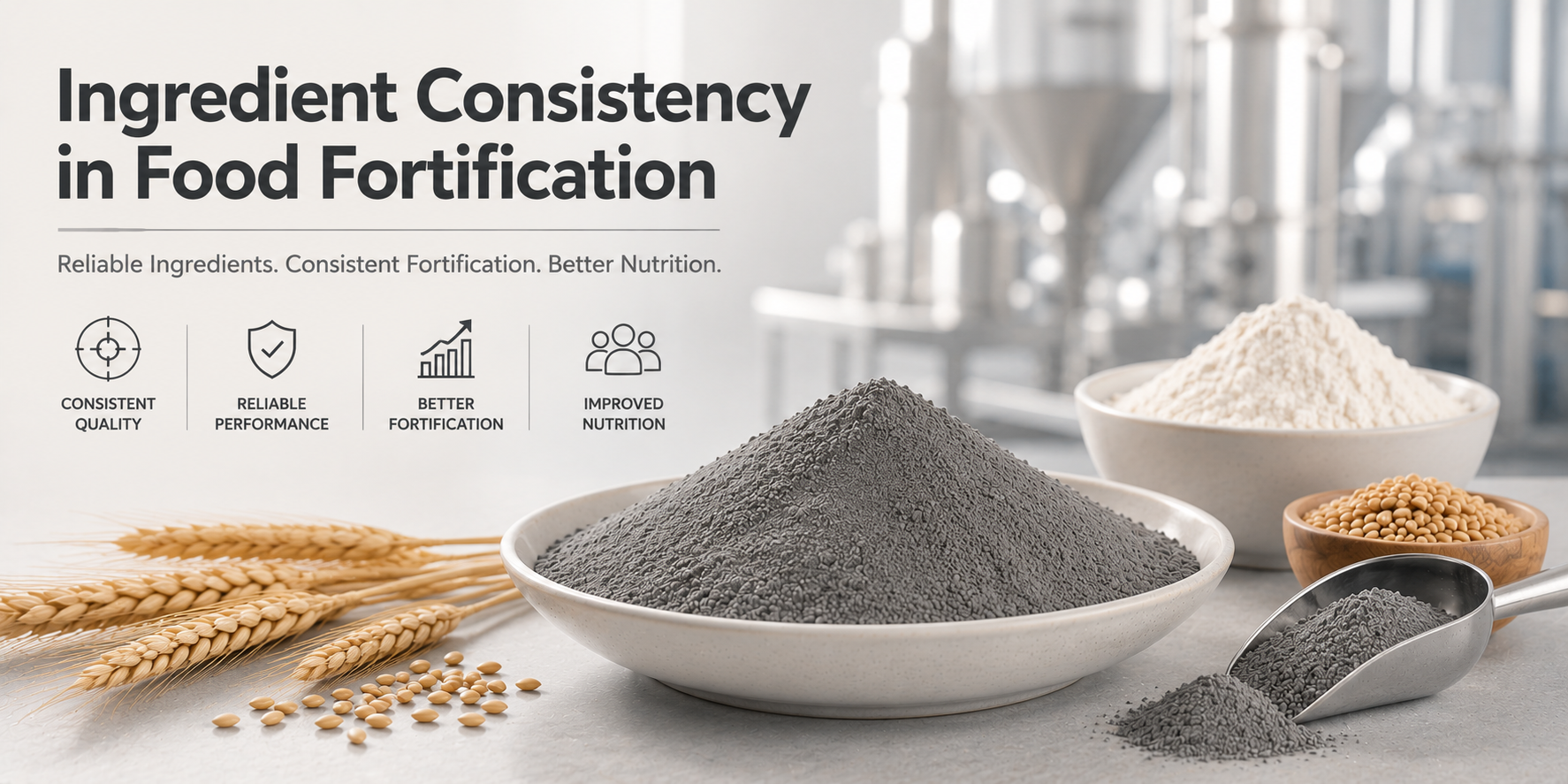
Nutritional premixes play a critical role in modern food fortification systems by ensuring accurate and consistent delivery of micronutrients.
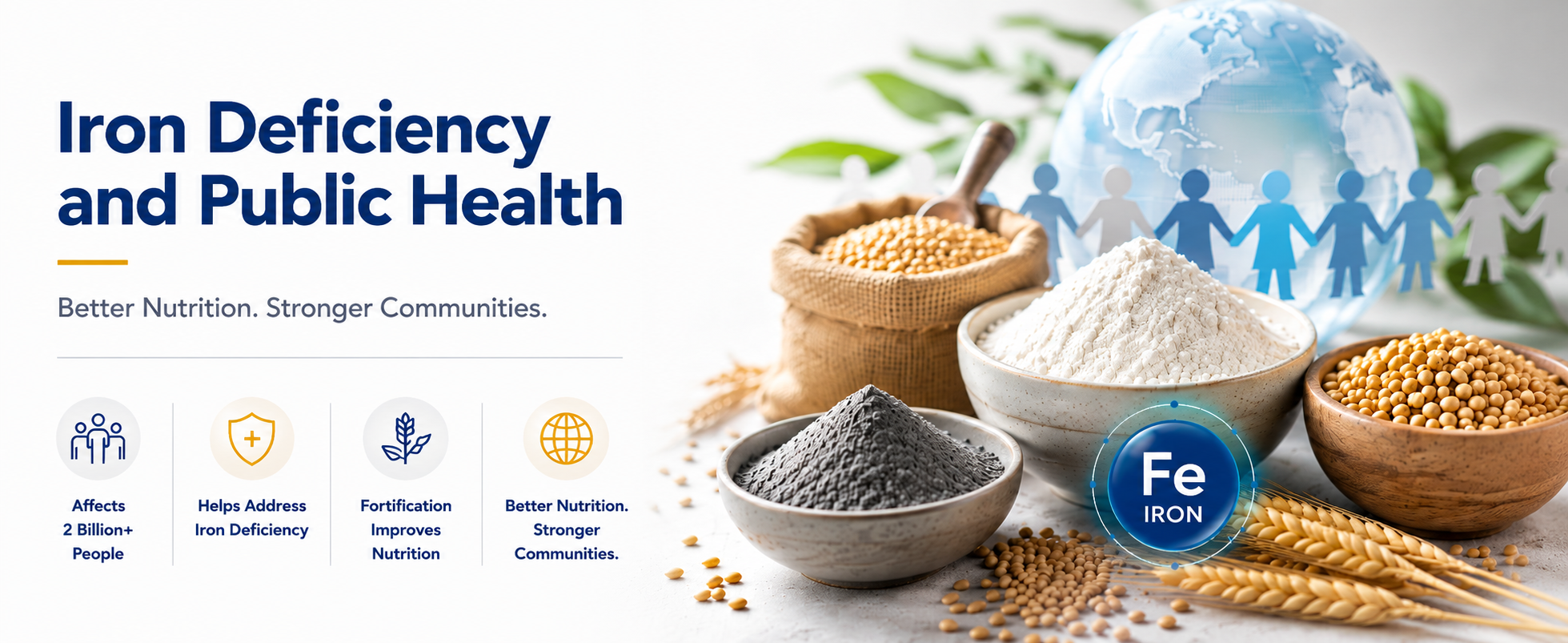
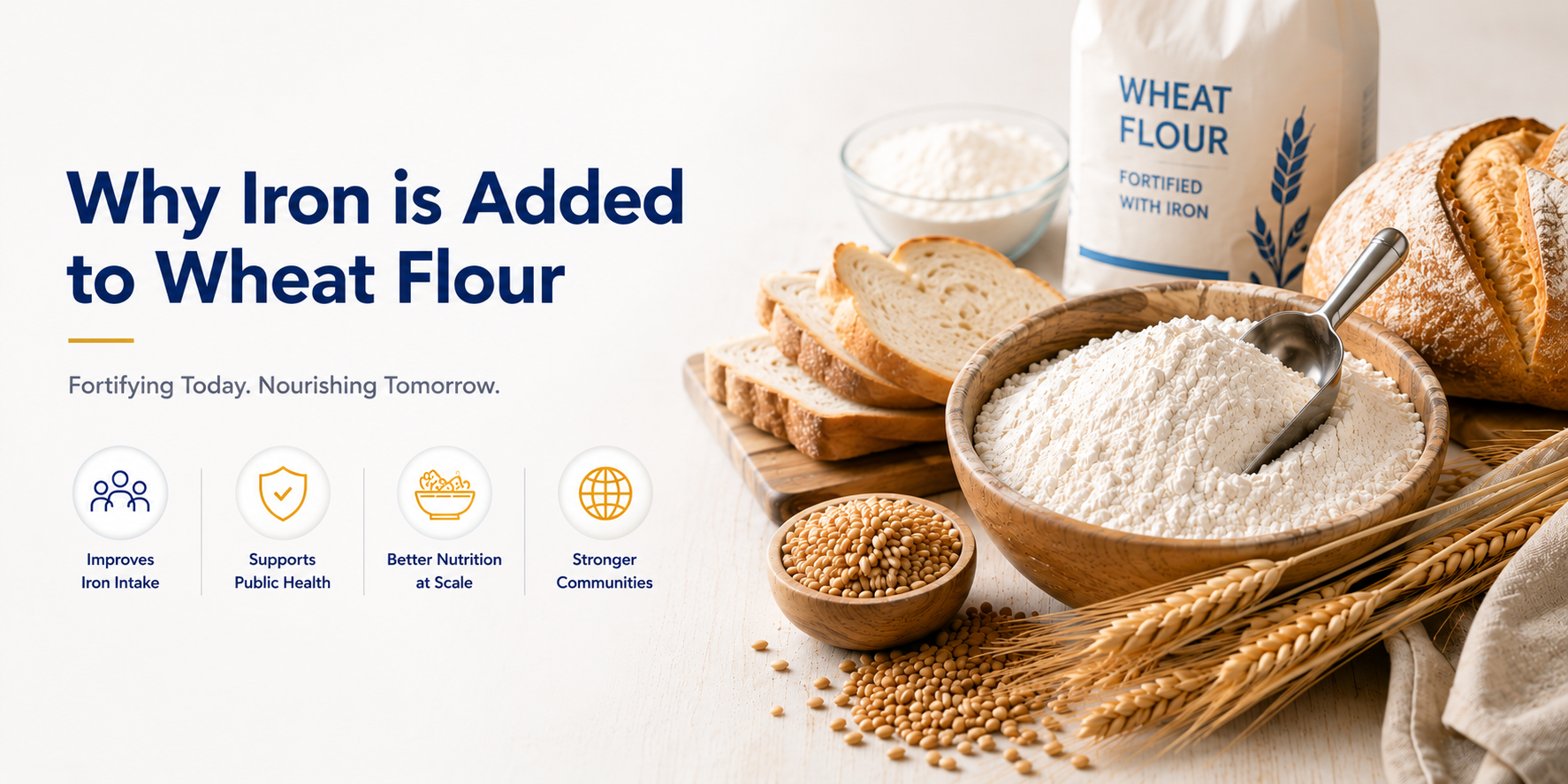
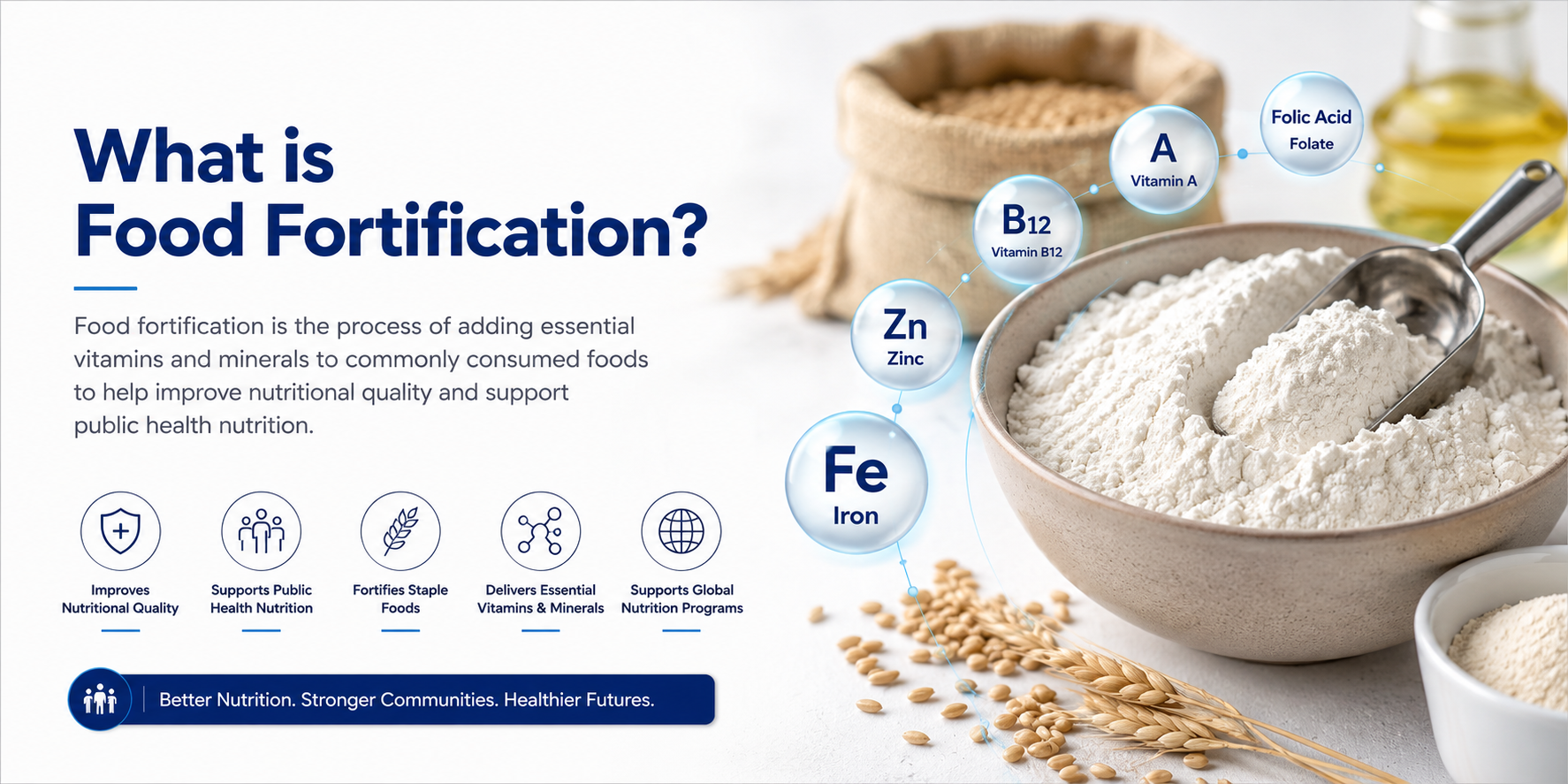
Food fortification is one of the most effective strategies to address iron deficiency at a population level. By enriching staple foods with essential micronutrients, fortification programs help improve nutritional outcomes across diverse regions and communities.
Iron powders play a critical role in these systems, where purity, stability, and consistency are essential for successful implementation. The choice of iron source, manufacturing process, and material characteristics directly influence performance in fortified foods.
This section provides practical insights into iron powder selection, quality considerations, and application challenges in food fortification.

Nutritional premixes play a critical role in modern food fortification systems by ensuring accurate and consistent delivery of micronutrients.

ood fortification is one of the most scalable and cost-effective strategies to address micronutrient deficiencies, including iron deficiency.

Food fortification is one of the most effective strategies to address iron deficiency at a population level. However, the success of any fortification program depends not just on adding iron — but on the quality of the iron source used.

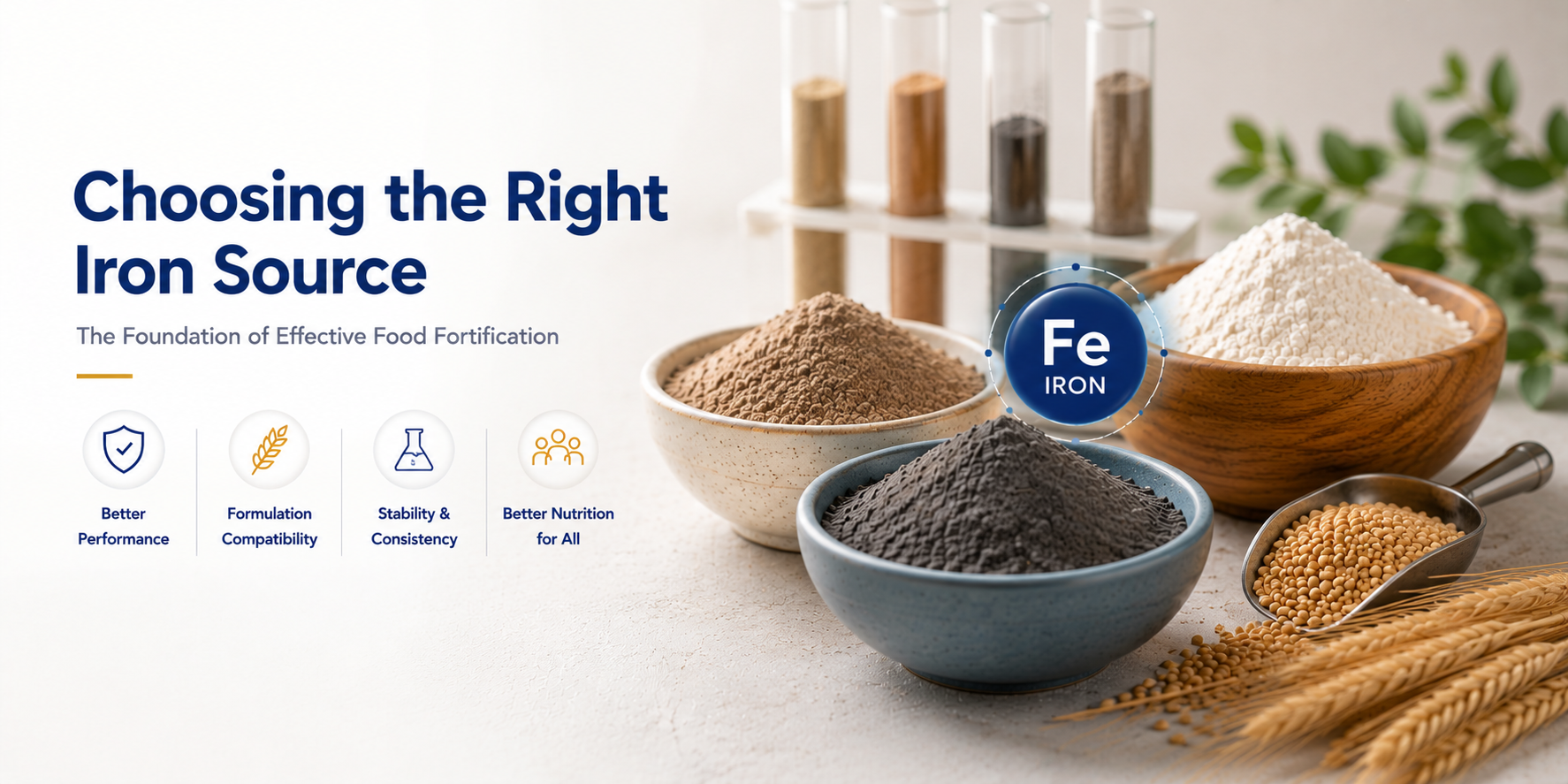
The success of any food fortification program depends not only on the inclusion of iron, but on selecting the right type of iron powder for the specific application.

Food fortification is widely recognized as an effective strategy to address iron deficiency at scale. However, implementing successful fortification programs is not without challenges.

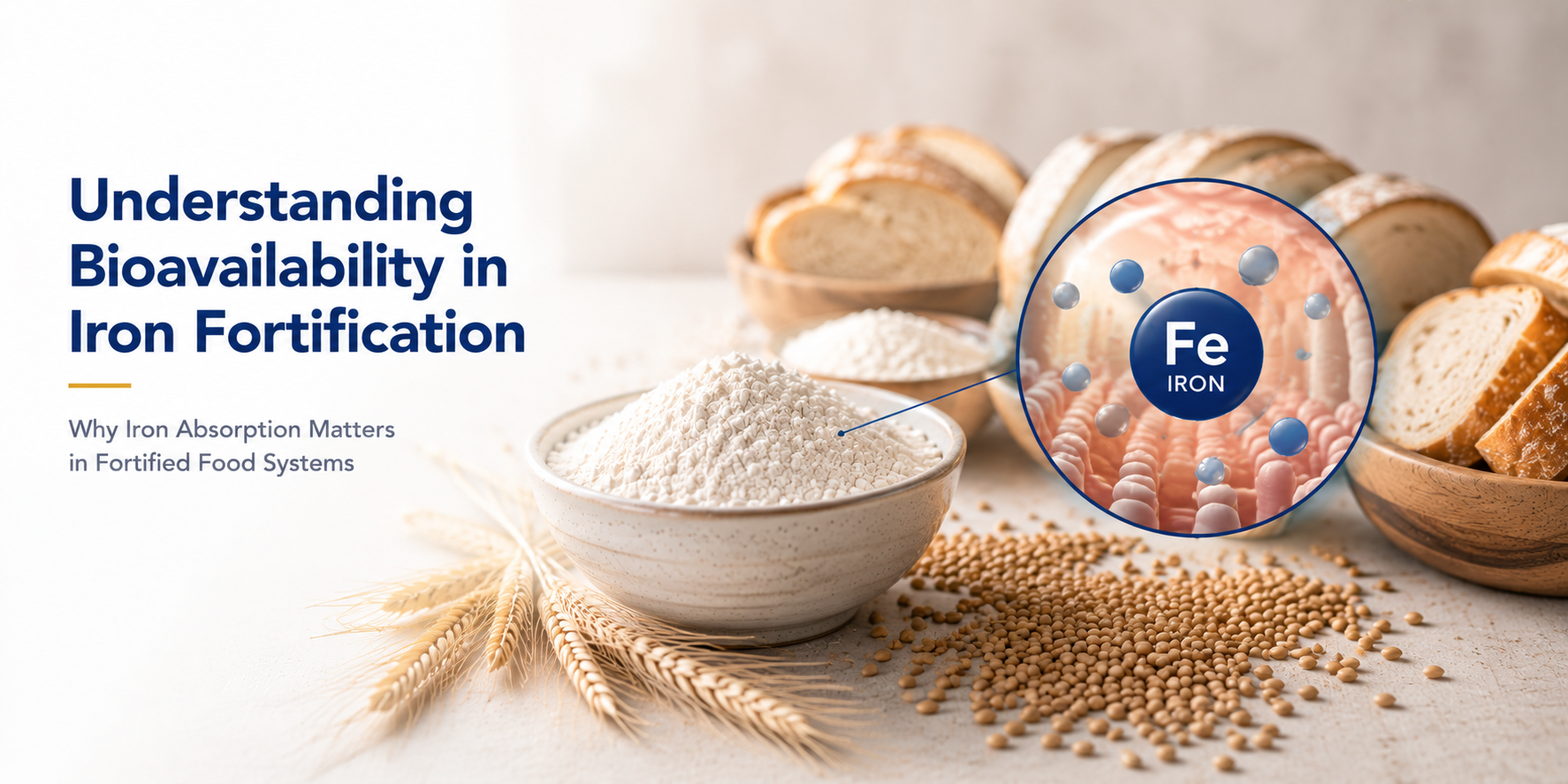
Iron is an essential micronutrient required for several critical biological functions, including oxygen transport, energy metabolism, and cognitive development.