Particle Size in Iron Powder – Why It Matters
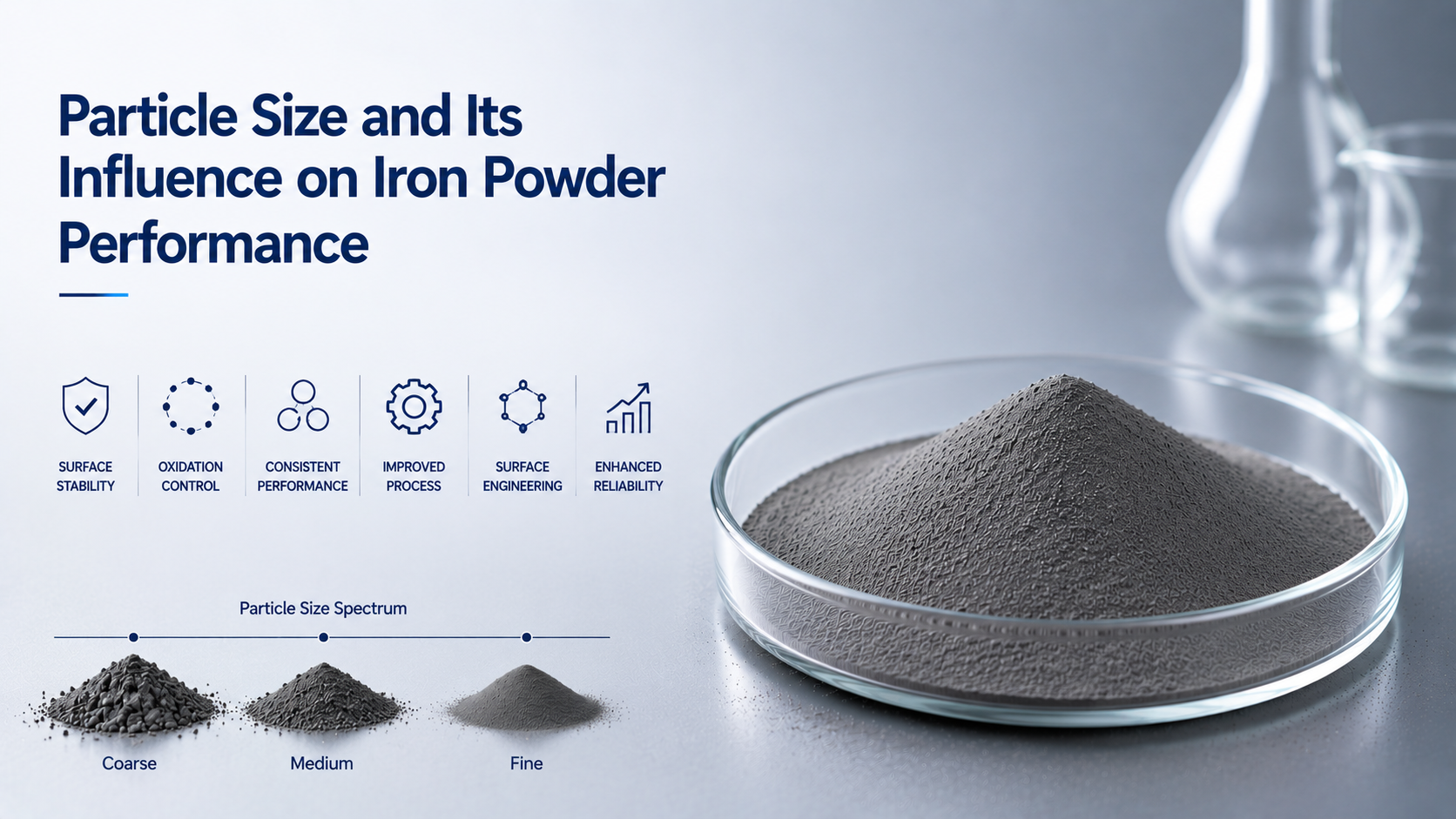
Particle size is one of the most important — yet often overlooked — parameters in iron powder performance.
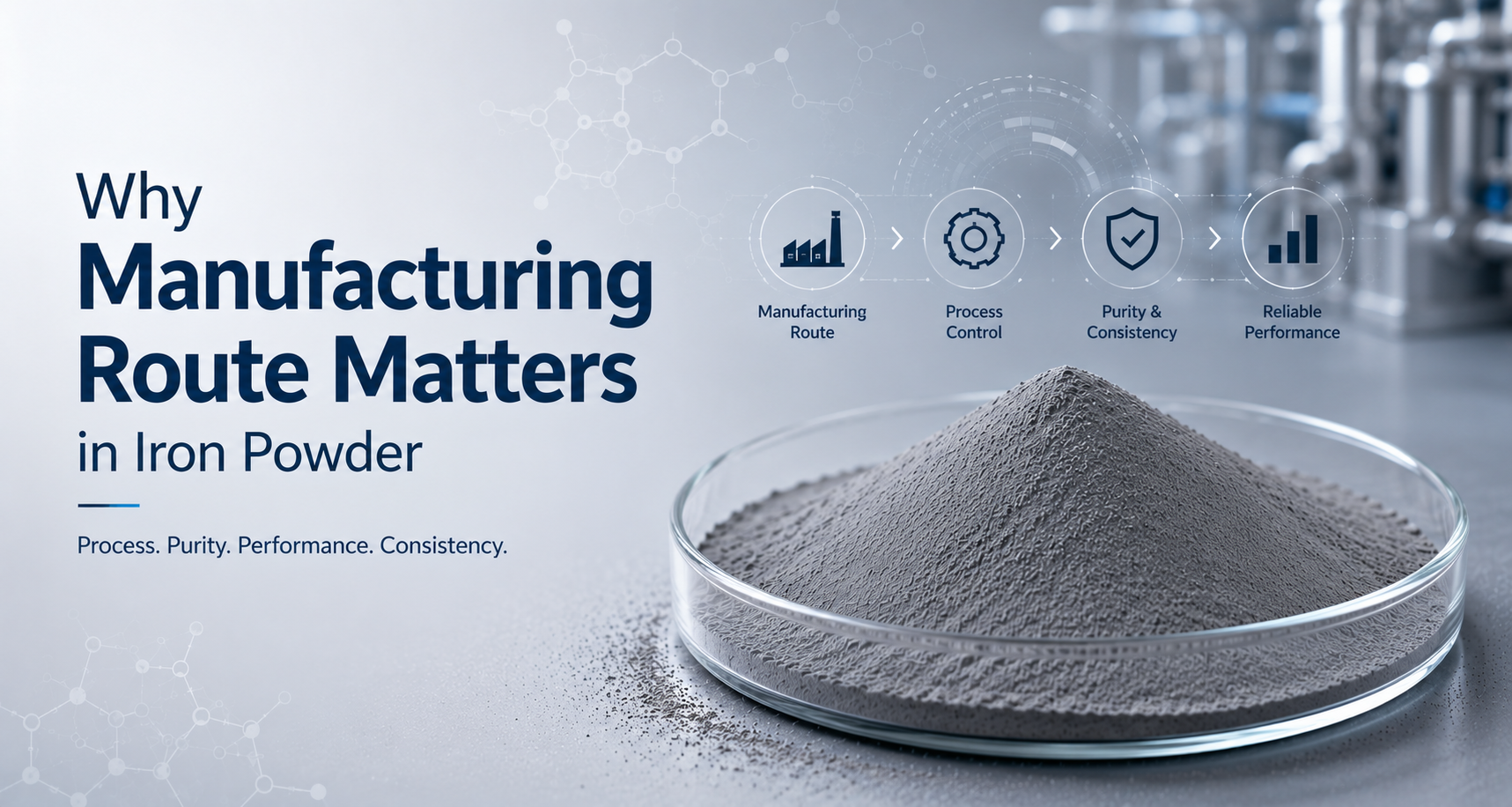
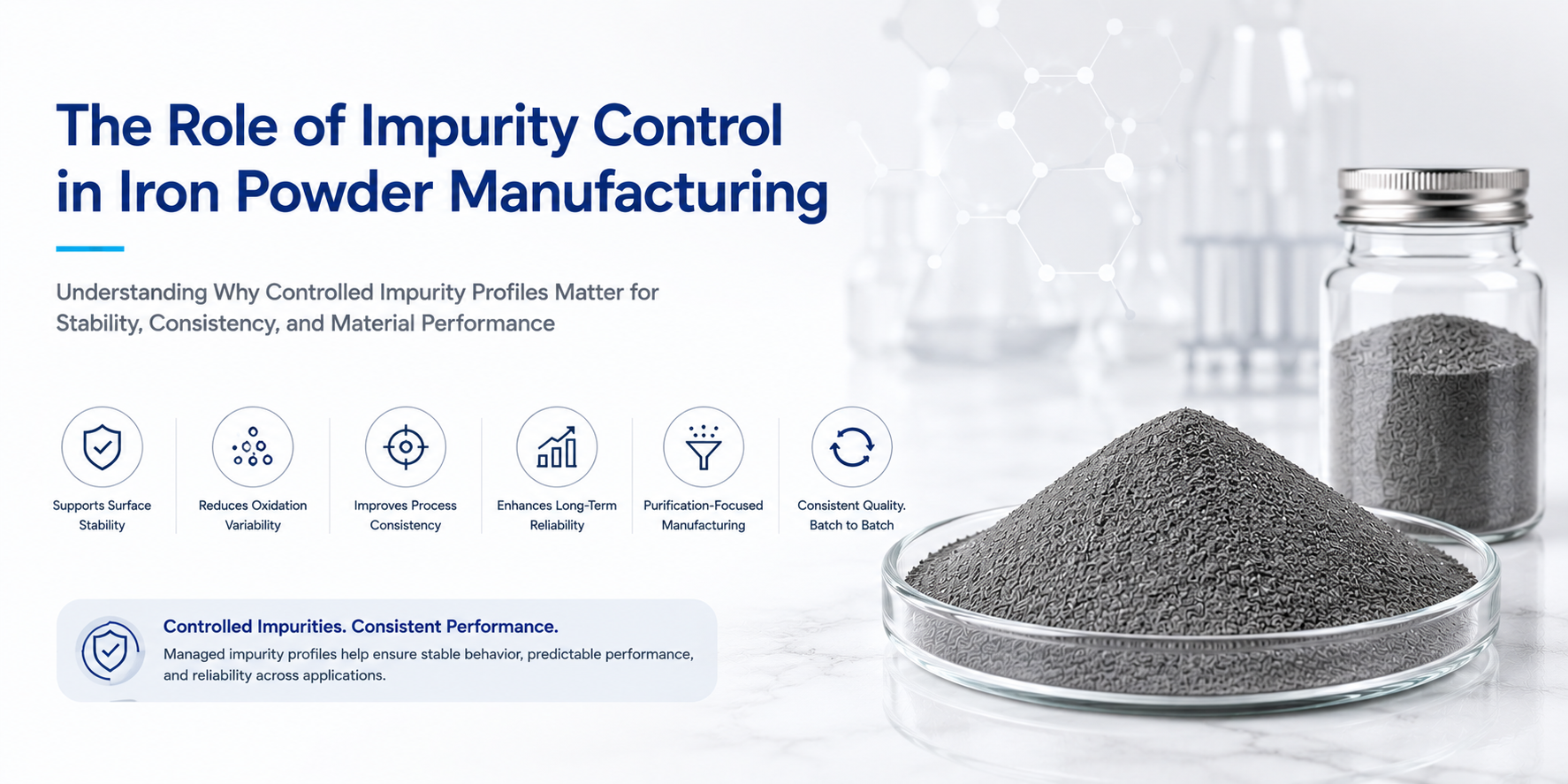
Iron powder performance is fundamentally defined by how it is manufactured. While different iron powders may appear similar, their behavior in food, nutritional, and industrial applications depends on factors such as refinement method, impurity control, particle characteristics, and surface condition.
Understanding these technical aspects is essential for selecting the right material and ensuring consistent performance across applications.
This section provides insights into manufacturing methods, process differences, and material characteristics that influence iron powder quality and reliability.

Particle size is one of the most important — yet often overlooked — parameters in iron powder performance.

Iron deficiency is one of the most widespread nutritional challenges globally, affecting millions of people across both developing and developed countries.

Iron powder is widely used in food fortification, nutritional formulations, and industrial applications. Among the commonly referenced categories are electrolytic iron powder and reduced iron powder.

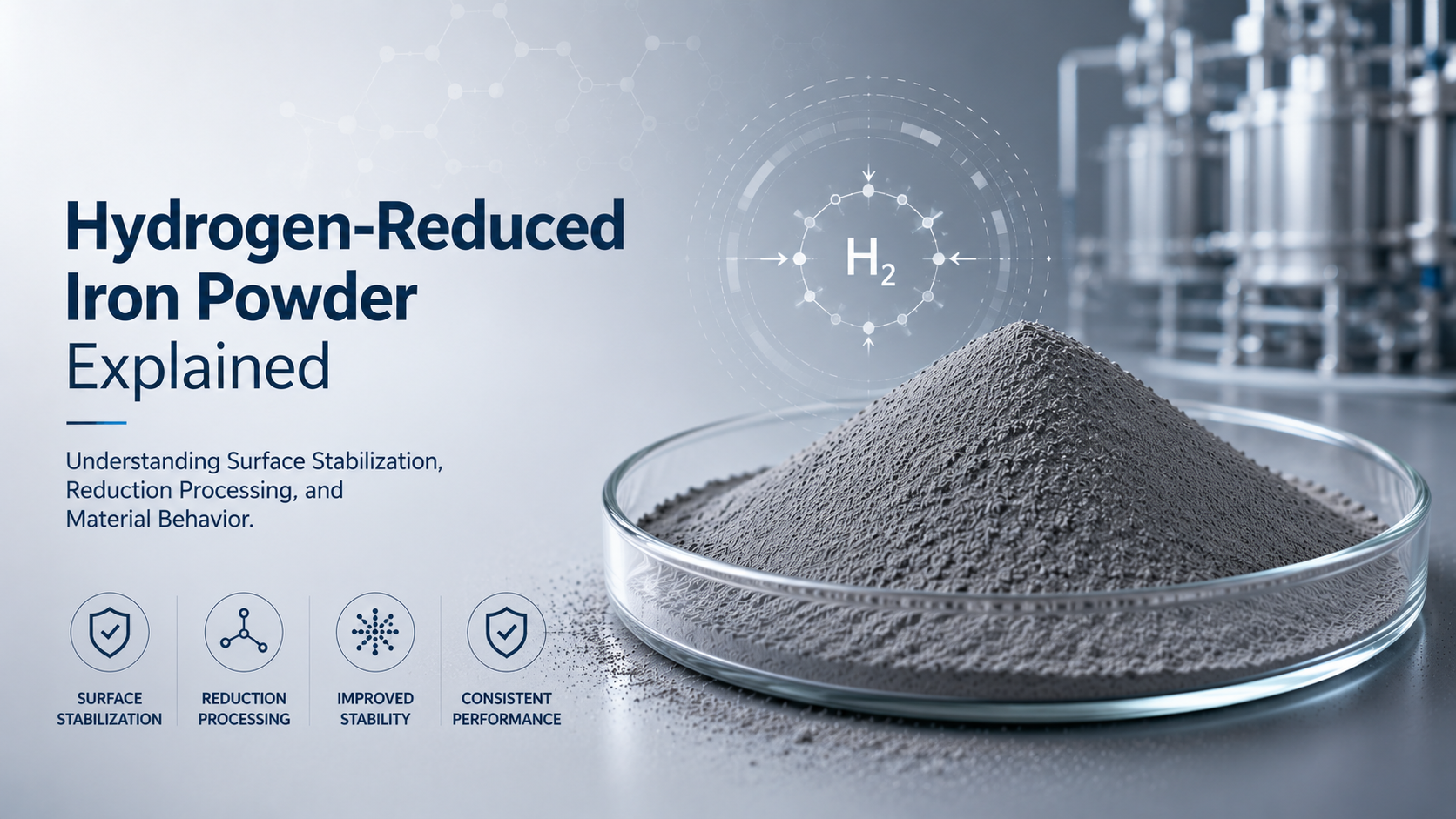
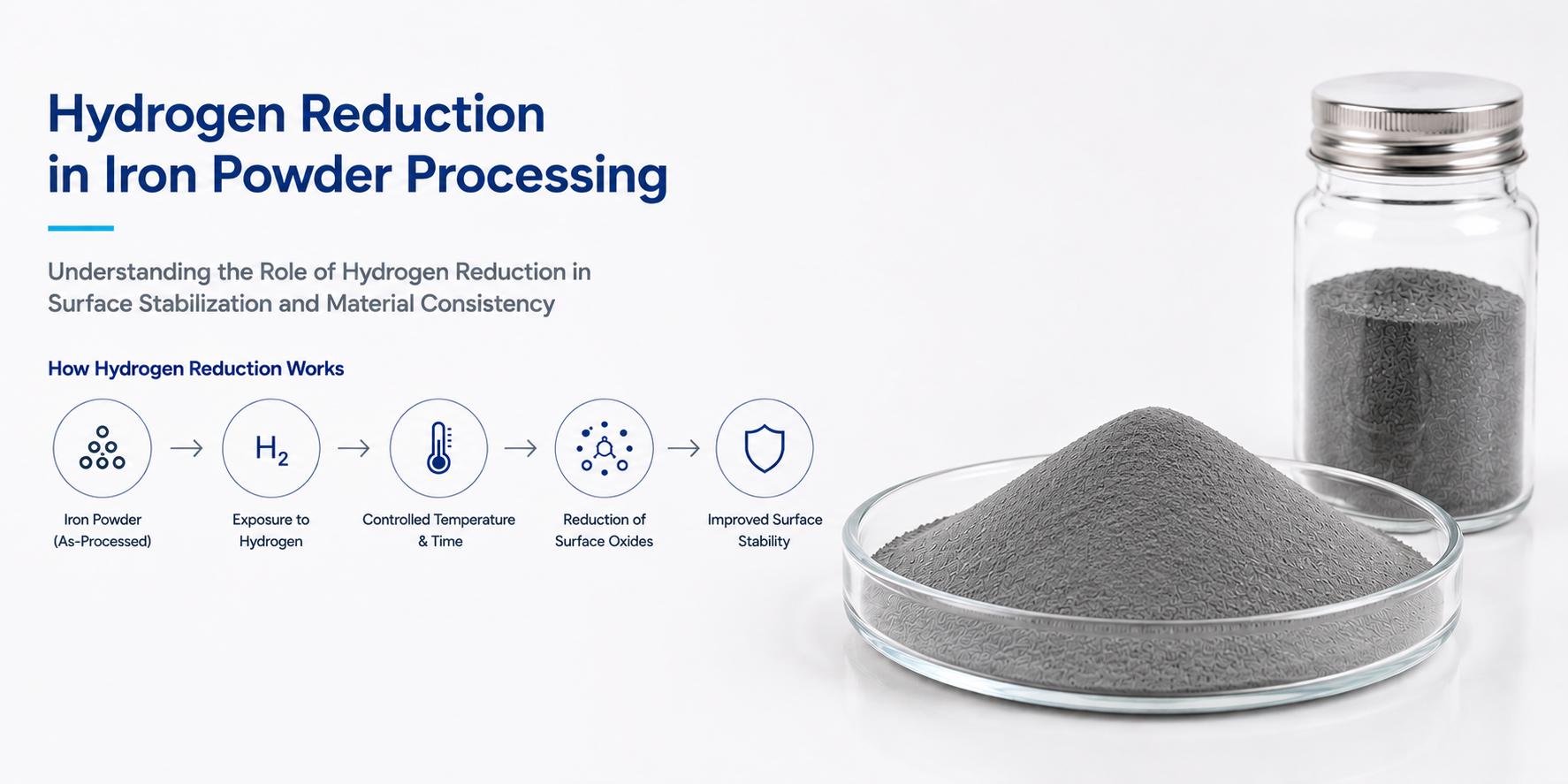
Hydrogen-reduced iron powder is widely referenced across industries, but the term “reduced iron” is often misunderstood.

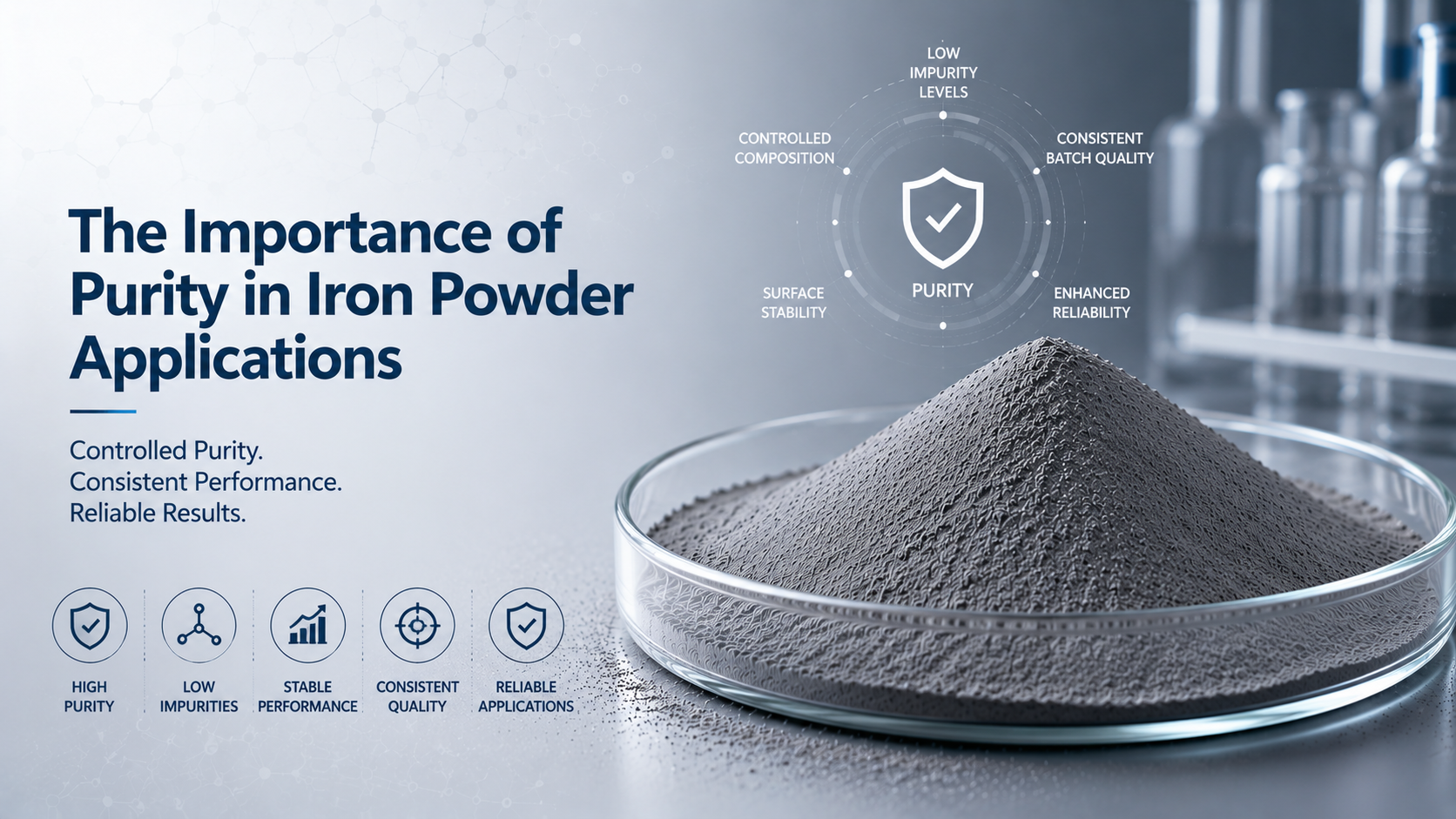
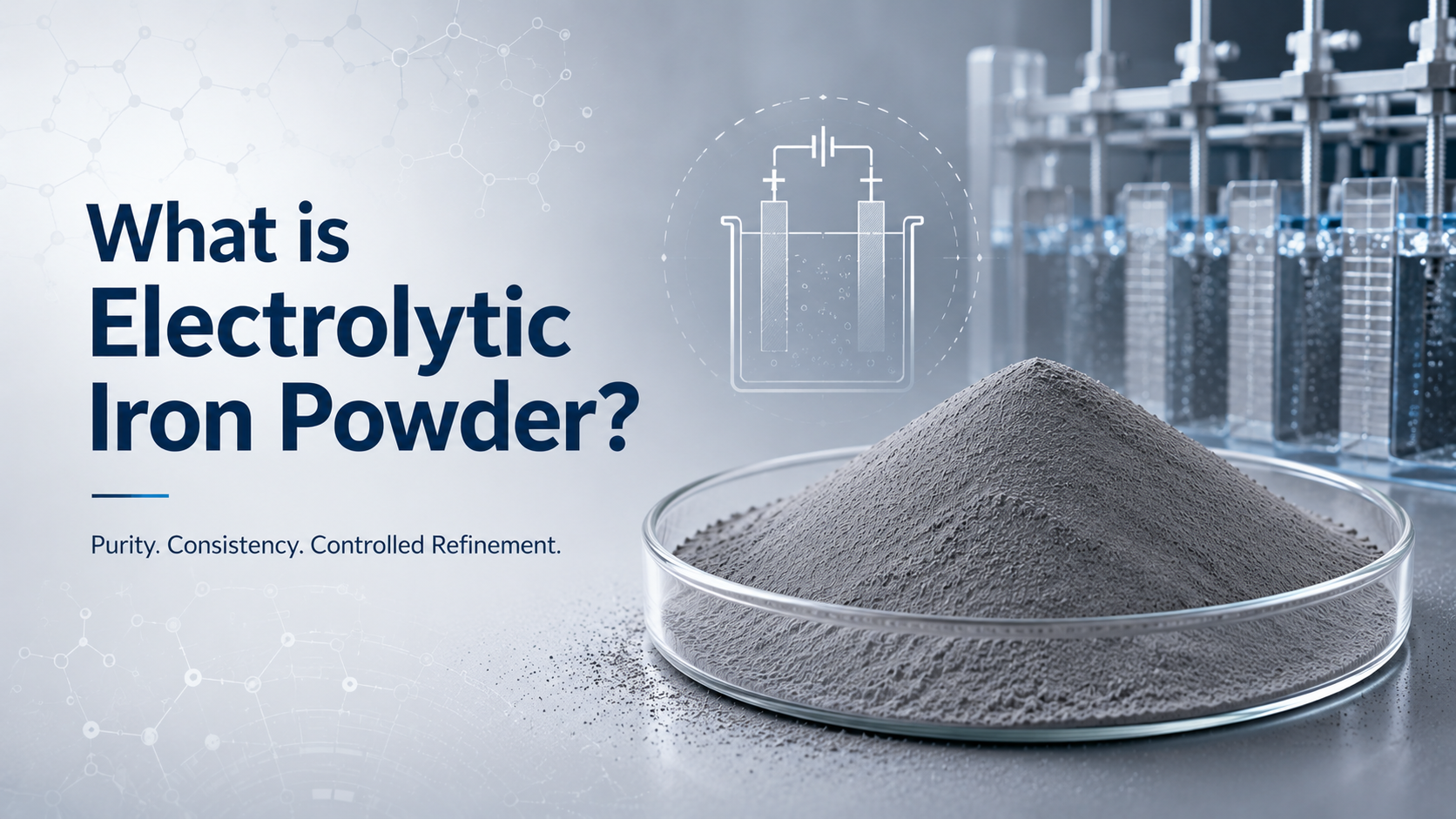
Iron powder is widely used across food fortification, nutritional formulations, and industrial applications. Among the different types of iron powders available, electrolytic iron powder is known for its high purity, controlled composition, and consistent performance.

Particle size is one of the most important physical characteristics of iron powder. While chemical composition defines what the material is,

Iron powder quality is not defined only by its chemical composition or appearance. The manufacturing process plays a fundamental role in determining how iron powder behaves in food, nutritional, and industrial applications.

Iron powders are widely used across food fortification, nutritional premixes, dietary supplements, and industrial applications.